Introduction
I spent the first 25 years of my career earning my living as a chemist, with photography as an obsessional hobby and sporadic source of pocket money. But then in my late 40’s I decided to see if I could pay all my bills through photography. 10 years later I’m very happy that I took the plunge, and here I’ve posted some observations from those first years as a freelance photographer.

Times have changed
The life of a professional photographer has of course changed dramatically since digitalisation arrived in the noughties, allowing potential clients to take many of their own photos. It also allowed more enthusiasts to take the step into professional work, and a higher proportion of those were artistic types who were previously limited by their disinterest in technology, which was much more of a handicap in the days of film. Also, for every professional photographer there are hundreds of amateurs who are just as capable of producing a fine image when conditions are good, and all your potential clients have a daughter, nephew or friend in this class who is willing to work just for fun, recognition or lunch. And equipment is no longer much of a limitation, with entry-level cameras having sufficient quality for most professional jobs. When you pay 10 times more for pro gear, mostly what you are getting is better ergonomics and durability, along with extreme frame rates and low-light performance that are seldom needed.
It’s still the good times
The good news is that more photographs are wanted nowadays, and for a professional photographer, just as important as the label ‘photographer’ is the label ‘professional’. Knowing that you will turn up on time, work efficiently, deliver consistently good images 100% under any conditions, make no excuses, and send a bill approved by the taxman, are all features worth a lot to a busy company. Not to mention being available during office hours, and having that pro camera for the few pictures that need low-light quality, and which still works after a client knocks over your tripod.
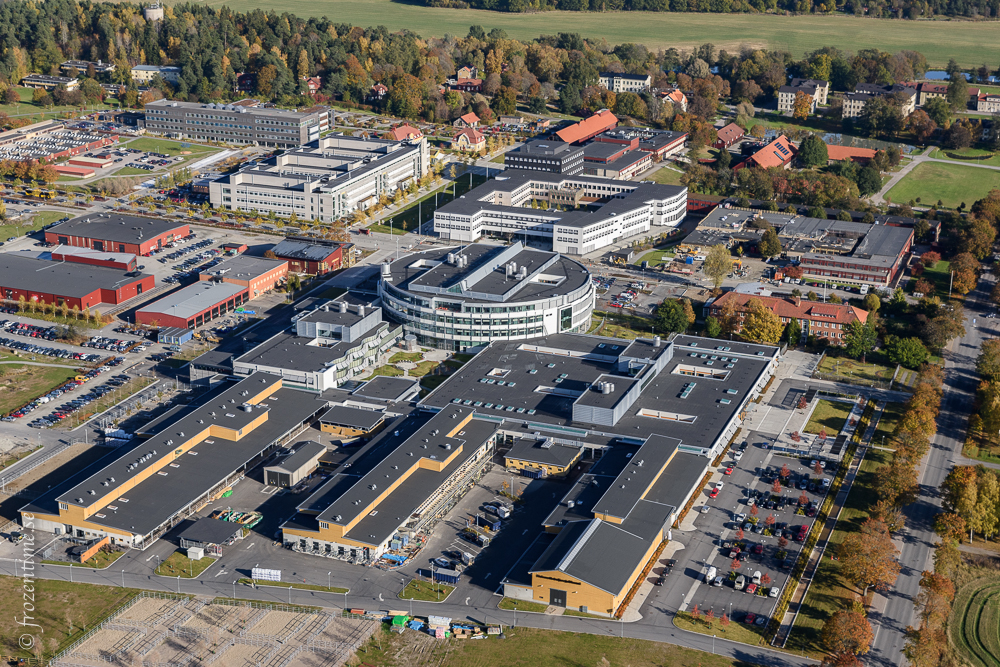
And then there is supplementary lighting, a skill that becomes essential when you have to deliver to a deadline, and which enthusiasts often don’t develop since they can afford to wait for conditions to be right. The picture of the bird watcher below would have been very easy to take if we’d had the time to camp out in the woods for a few days until the mist and sunrise cooperated, but in fact we had an hour in the suburbs one late-summer afternoon. So what you see here is actually created in my garden with an orange-gelled flashgun, a fog machine, and another flash backlighting the mist. Cheating, yes, but the alternative would have been a studio headshot, which would have been just as artificial, but wouldn’t tell viewers as much about the subject. For all except the aerial and lake photos in this article, I added some sort of artificial lighting.

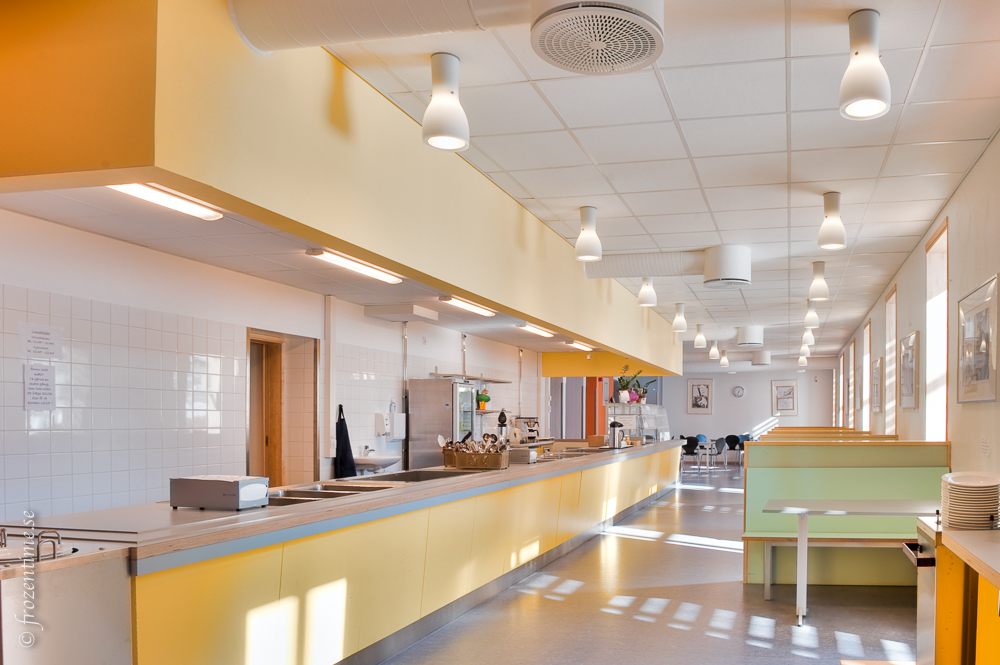
So there’s still plenty of work for the jobbing photographer. It’s not all glamorous, in fact not much of it is glamorous. I spend more time making well-worn factories look good for a homepage than I do shooting the rich and famous on their yachts for glossy magazines (the percentage of the latter being 0). But still, even the most mundane photo job is way more fun than sitting in an office. I still sit in my office quite a lot though, not just selecting and processing images, but coordinating jobs, which takes a surprising amount of time.
It’s just a job
Many photographers like to think of themselves as artists, and so they should, but the reality is that very few people can earn a living by creating great art with their camera. The vast majority of clients are looking for craftsmen, not artists. Our profession has more in common with cabinetmaking than fine art – most of my clients want something functional and good-looking, but also quick and affordable. Of course you should use all your creativity to produce as unique an image as possible, but when you have one day to produce 50 images on a busy shop floor, using real employees rather than models, there’s a limit to how advanced your work can be. And when it is more advanced, an art director may well be calling the shots, literally.
We all aspire to being the guy whom Maserati call when they want to spend two days taking one image of a car with professional models and a crew of assistants, but few of us will get there. The rest of us still get fun jobs where the client lets us run free with our imagination, but have to fill in with a lot of routine work. For every Vogue cover, there are thousands of conference presentations/corporate headshots/product shots that need to be made. With time I have managed to build up enough fun clients that I can afford to say no to really dull work, but I still enjoy the conference jobs.
The good and the bad
Let’s start with the good :
You’re being paid to indulge in your hobby ! So like I said before, even the dull jobs are more fun than most alternatives. I remember once photographing a secretary with a pile of spreadsheets. I was happily fiddling around to get a CSI-look by using a blue-gelled flash so it appeared she was lit by the screen, and backlighting the rest of the room. At which point she looked up from her spreadsheets and said “Isn’t it boring just taking people’s pictures all day ?” I had to disagree.
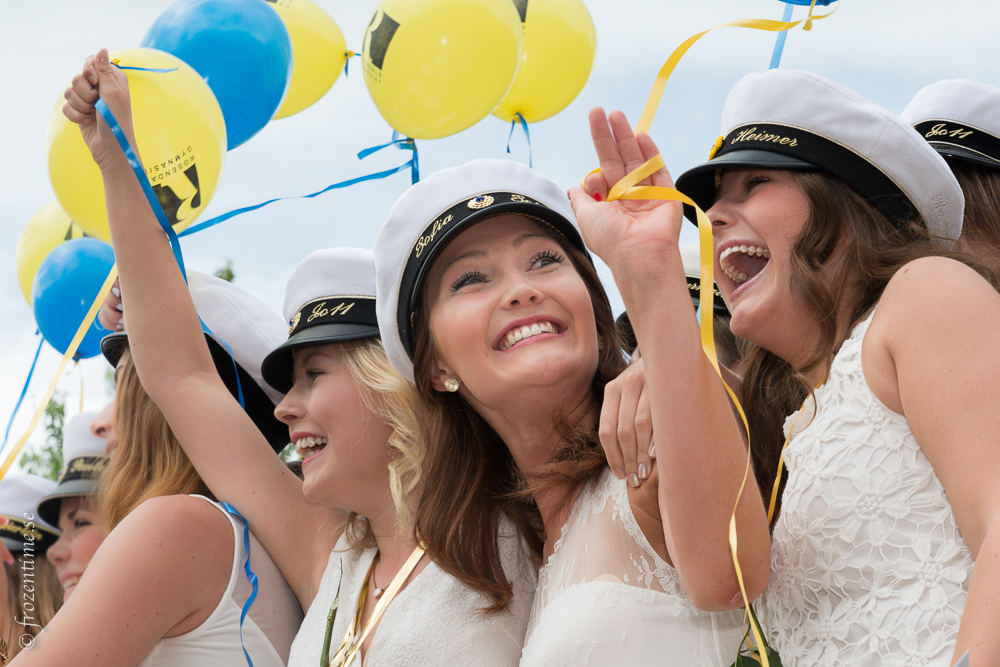
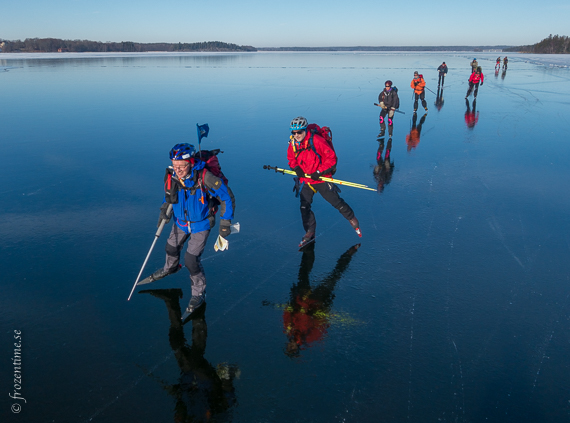
It’s flexible – want to take a weekday off ? Schedule your shooting around it, and do the office work over the weekend. Like I did last winter to go ice skating. When I posted pictures from the trip on social media my friends mocked me for not having enough work, and too much spare time. When a magazine editor saw the pics and asked to buy them, I mocked my friends for having only earned one day’s salary that day, when I had inadvertently earned four. And that illustrates another advantage – your holidays and other hobbies can pay for themselves if you can find a customer for your documentation of them.
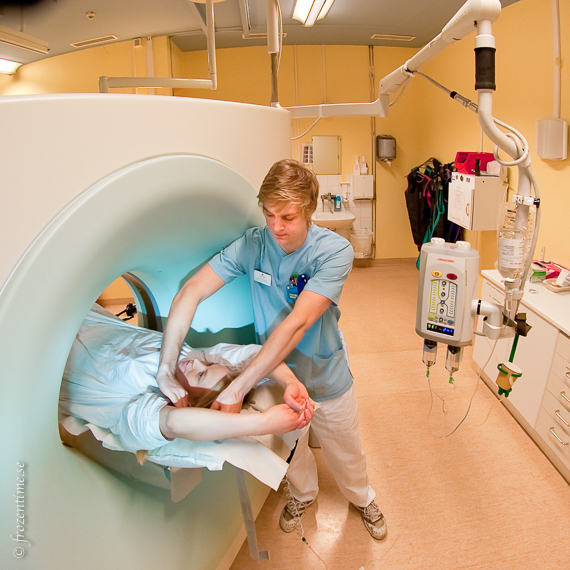
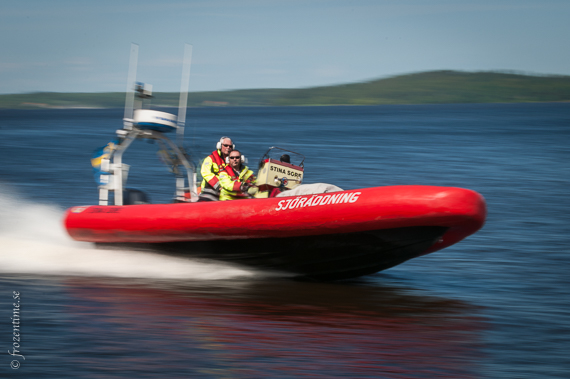
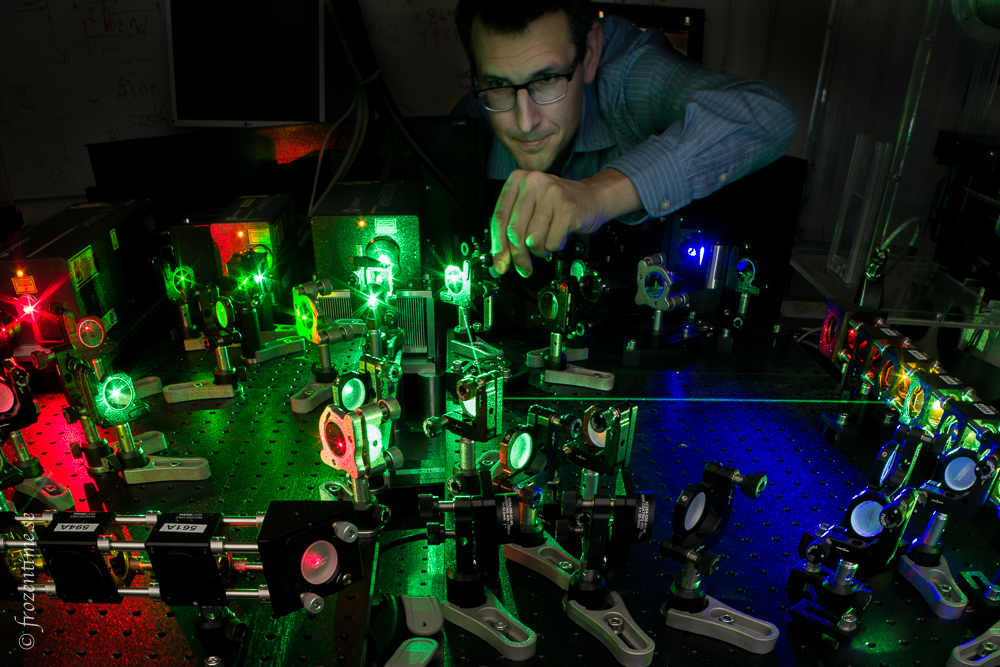
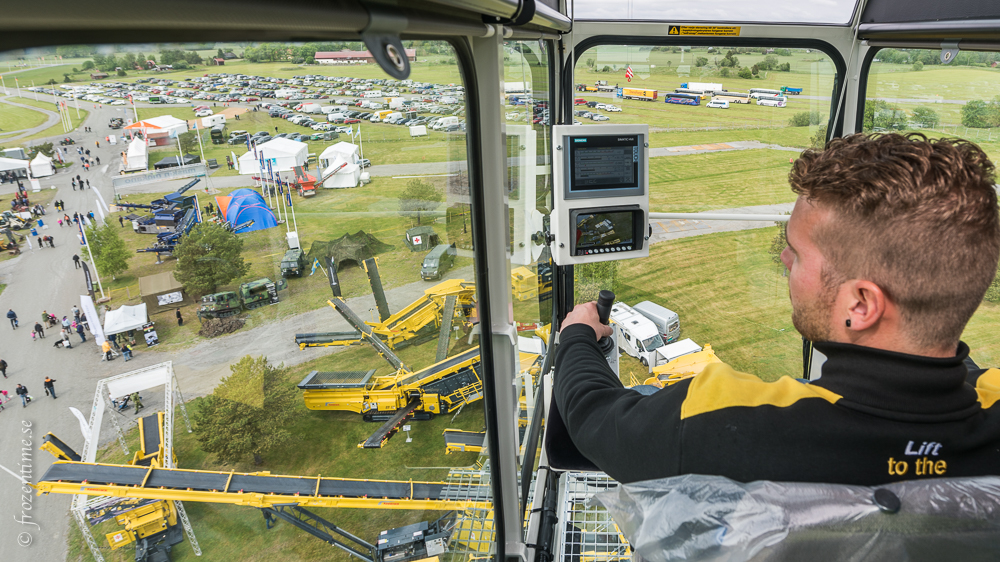
It’s interesting – you’re meeting new people all the time, and getting access to places that’d you’d never normally see. Every day is something new. One day I can be out on a coastguard hovercraft, the next in an operating theatre, another up in an airplane, then at a wedding, or shooting cabinet ministers at a conference. All interspersed with those corporate headshots and school children.
The not-so-good :
It’s hard work – you’re doing everything yourself, and constantly making judgement calls. Even if you contract out parts of the business like accounting or retouching, you still have to understand what you’re delegating and communicate with your contractors, plus you have to find extra photography work to pay for those services.
It’s unpredictable – like all freelancers, your business will have boom and bust periods, worryingly empty weeks followed by a series of adjacent 14 hour days. Try to enjoy the quiet periods, and/or use them for marketing. Writing a blog entry for example….
Filling your free time
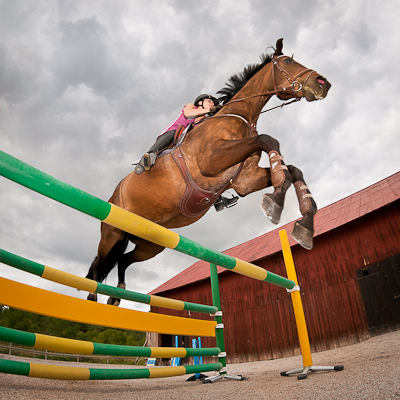
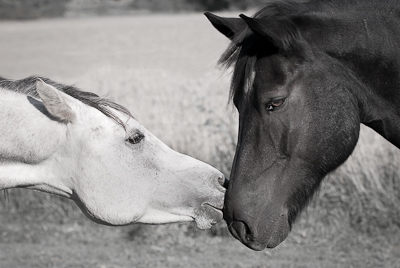
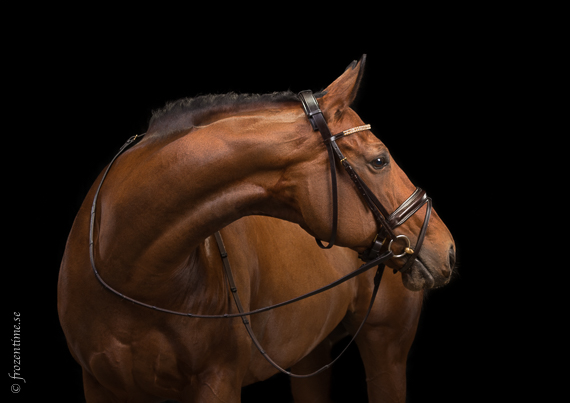
Although I know a couple of pros who never touch a camera unless they are being paid, most of us still have a passion for photography outside the job. If you look at the images on my homepage and social media, you’ll see that very few are from commercial work, most of which is too routine to result in masterpieces. So personal projects are not only fun, but opportunities to show off what you can really do. And they often lead on to paid work. I started photographing horses because I pass a lot of them on my daily walk, but as well as earning a little from sales to the owners, seeing the quality of my work has led to much bigger unrelated jobs from colleagues and spouses of the horse owners. Likewise shooting my wife and her friends running marathons has ultimately led to many months of income from people who saw the results of those personal projects and hired me for unrelated assignments.
I have also exhibited prints around 30 times, with a dozen solo exhibitions. These take a lot of time and money to make happen, but are a lot of fun, and a good way to meet current and future clients in a relaxed environment surrounded by your best work. For me, sales at exhibitions are not a sustainable form of income, but meeting just one long-term client would make it all worthwhile.
I’ve never paid for advertising, nor actively called up potential clients, getting all my work from casual contacts and subsequent recommendations. I’m not recommending that method, but it worked for me, since I’m a terrible salesman. If you have better social skills than I do, then active solicitation will presumably speed up business growth.
Is a freelance photography career for you ?
Are you self-motivated and disciplined ? If not, forget it. Likewise if you prefer a predictable, structured, 9-5 life.
Can you afford a slow start to the business ? If you’re young and single with nothing to lose, go for it. Likewise if you’re an empty nester with savings and low cost of living, go for it. Family to feed and mortgage to pay ? Then you need to think more carefully.
Do you enjoy freedom, creativity, variety, challenges and a bit of chaos ? Then you’ll love it, regardless of the financial outcome.
Tips for success
Be realistic – understand how the business world works, and how good you really are. Optimism can take you a long way, but running a business needs feet on the ground too.
Be flexible and easy to work with – you’re in a service industry.
Overdeliver – the goodwill is worth far more than a slightly bigger invoice, and gives you some headroom if things don’t go as well as planned.
Keep up the personal work – you will have free time as a freelancer. Use it wisely. Anything that puts your work in front of potential clients is worthwhile.
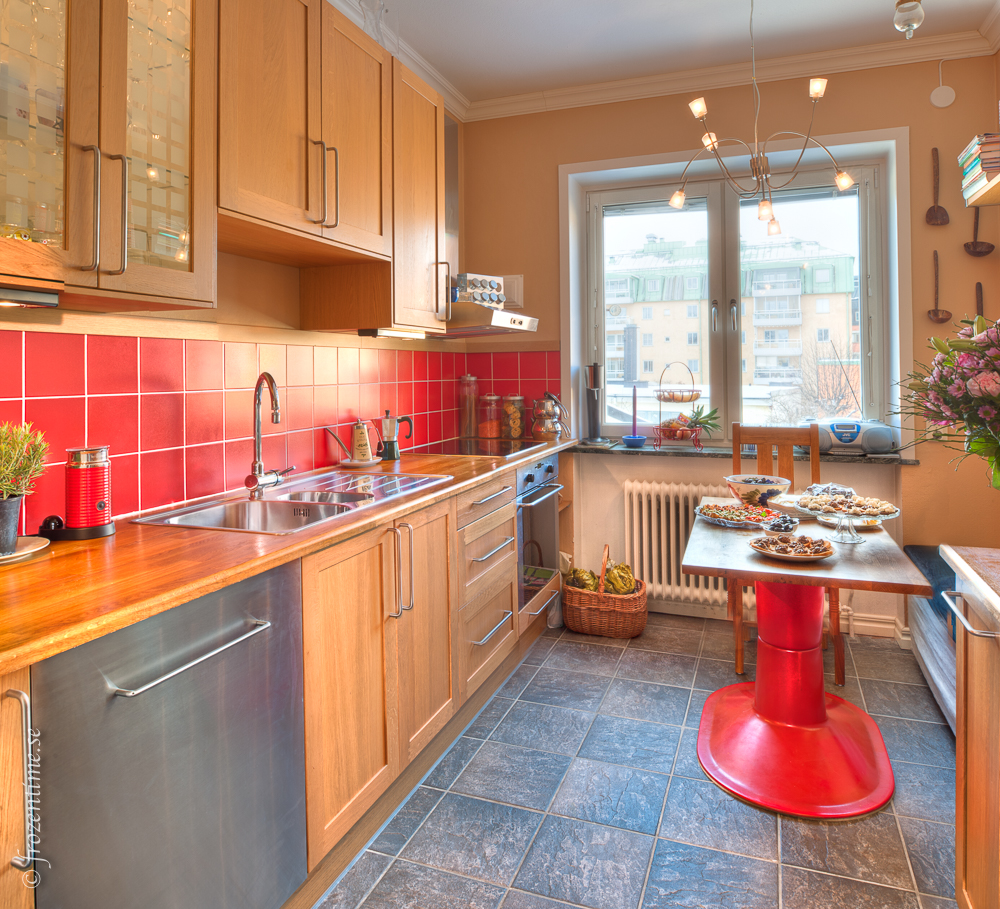
So that’s what my first decade in business looked like. An adventure. And I’m looking forward to the next decade.
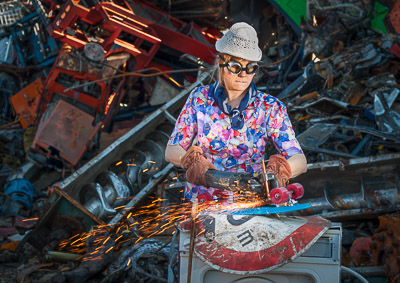
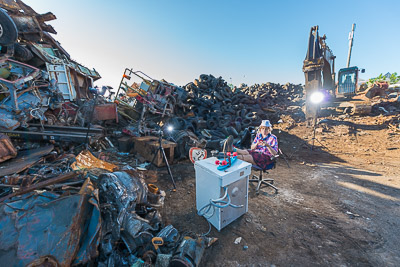
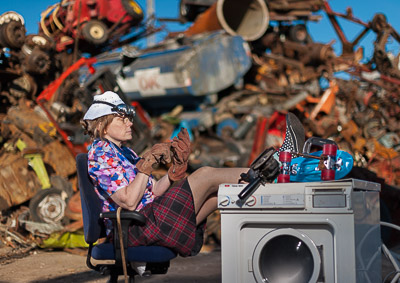

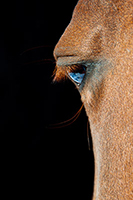 A few years ago I came across a horse that was standing in a pool of light in front of a dark bush that was in shadow, and the high contrast led to an image of her eye that looked like it was taken in a studio. I really liked the result (as did Edviks Art Museum, and the Mimara Art Museum in Zagreb, who both included it in their autumn collections), but the chances of getting similar natural light again was small, so I decided to build an overdimensioned studio where I could control the light in the same way that I do for portraits of people.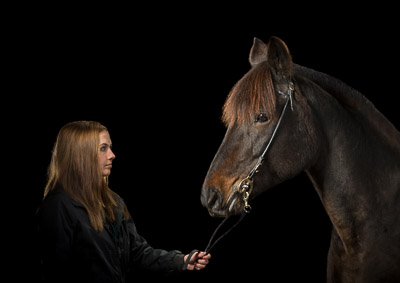
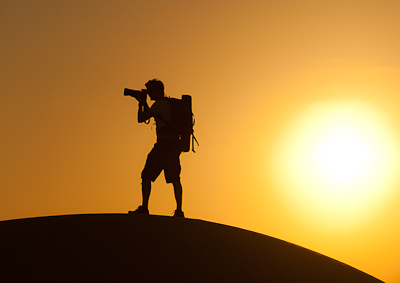
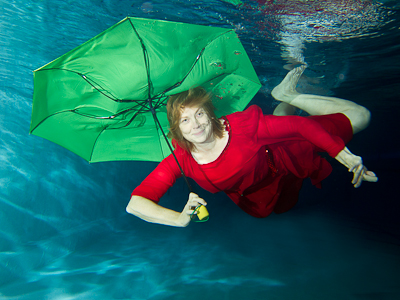
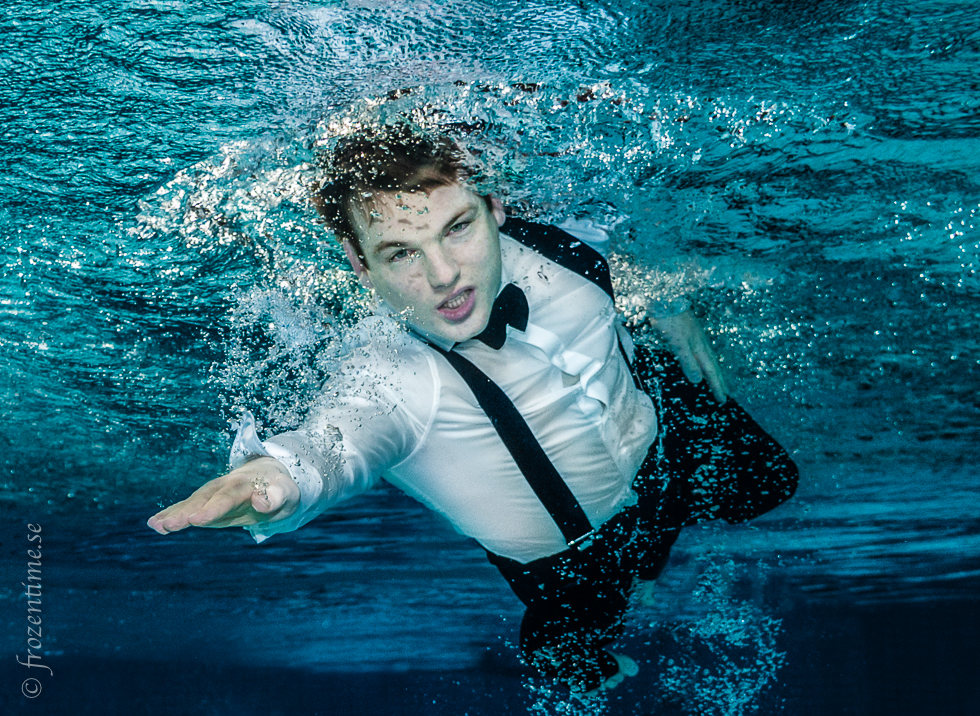
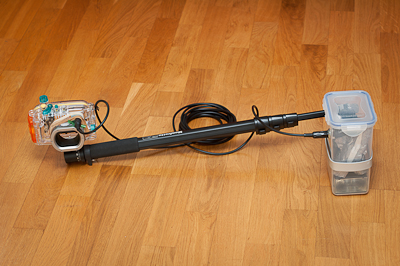 I then tested different waterproofing techniques for external flashguns, and after a couple of expensive mistakes settled on Tupperware-style containers with a plastic bag inside to contain small leaks.
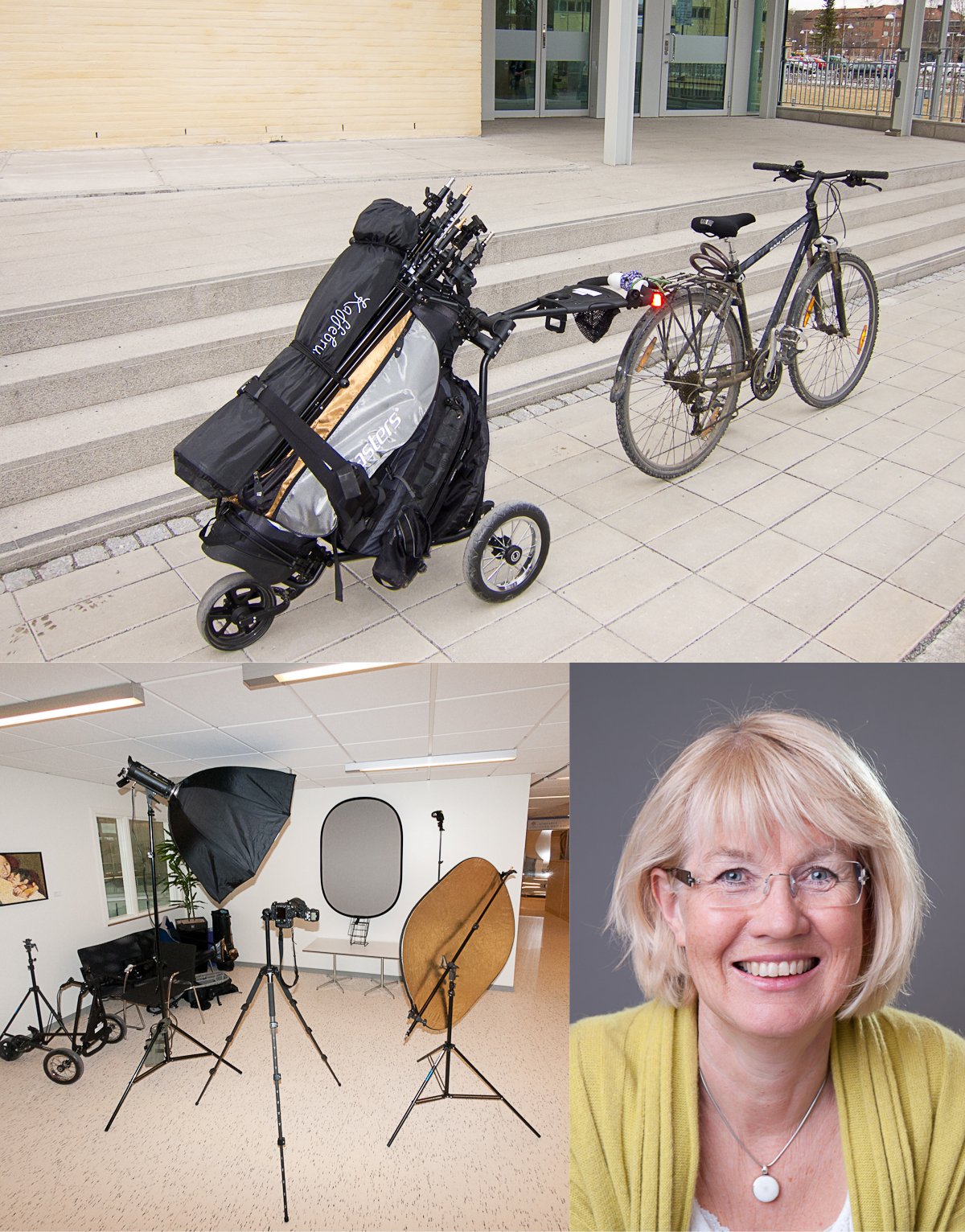
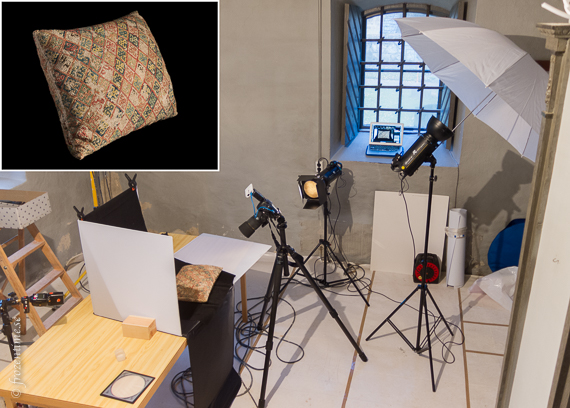
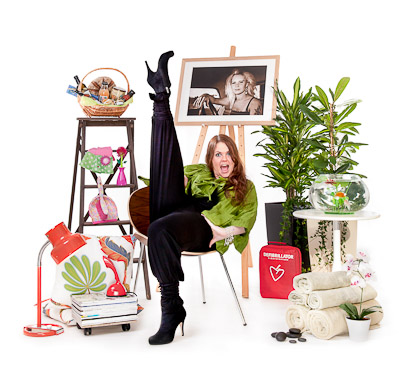
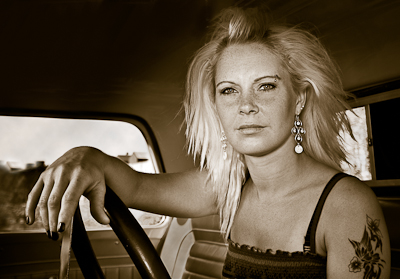 Studios don’t suit me very well – they are expensive to rent and need a lot of imagination to build an interesting scene out of four white walls.
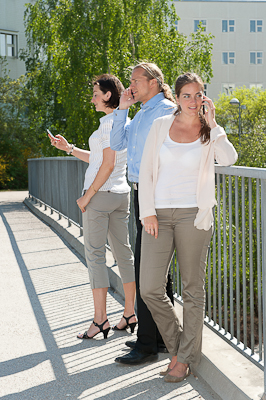 But pocket flashes have limited strength (~100J) and long recycling times when used at full power, so when